
A comprehensive approach begins with understanding purpose. Some clients aim to retire comfortably, others want to fund education for children, expand a business, support charitable causes, or create a lasting legacy. A skilled advisor listens carefully before recommending strategies. Numbers alone cannot define success; context gives them meaning. Cash flow patterns, existing liabilities, property ownership, insurance coverage, and future obligations all influence the structure of a sound plan. By mapping present conditions against desired outcomes, a clear pathway can be designed.
Investment strategy forms a central pillar. However, wise Private Wealth Management stewardship goes beyond chasing returns. Diversification across asset classes such as equities, fixed income securities, real estate holdings, private investments, and alternative instruments helps cushion volatility. Market cycles are inevitable. Rather than reacting emotionally to fluctuations, disciplined asset allocation provides stability during turbulence. Rebalancing portfolios periodically ensures alignment with original objectives while capturing growth opportunities as conditions evolve.
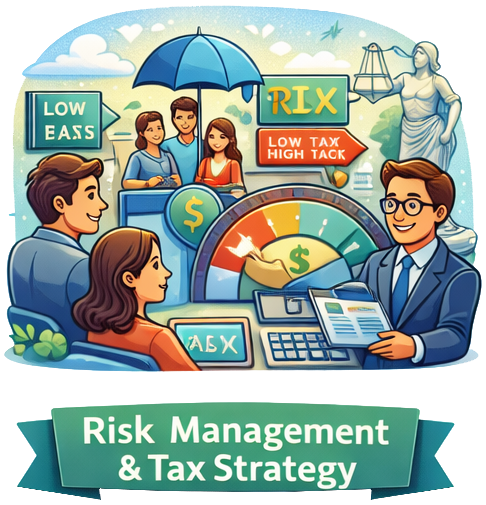
Risk management is equally critical. Unexpected events — economic downturns, health emergencies, legal disputes, or sudden changes in employment — can disrupt even the strongest financial foundation. Insurance planning, emergency reserves, and prudent leverage decisions reduce vulnerability. Wealth preservation often depends more on avoiding catastrophic loss than on achieving extraordinary gains. Thoughtful safeguards protect families from shocks that could otherwise undo years of progress.

Tax efficiency plays a substantial role in maintaining long-term prosperity. Earnings can diminish quickly without strategic structuring. By considering timing of income recognition, use of registered accounts, charitable giving mechanisms, and estate planning vehicles, individuals may reduce unnecessary liabilities while staying compliant with regulations. Coordinating tax planning with investment and retirement strategies creates synergy. Each component strengthens the others when integrated carefully.
Retirement preparation represents a milestone for many. The transition from active employment to financial independence requires forecasting expenses, healthcare needs, inflation impact, and potential longevity. Withdrawal sequencing from various accounts must be arranged thoughtfully to maintain sustainability. Some prefer steady income streams resembling a paycheck; others accept variable distributions tied to market performance. The objective remains consistent: financial confidence without fear of outliving resources.
Estate planning adds another dimension. Private Wealth Management accumulated over decades often carries emotional significance. Clear documentation, updated wills, trusts where appropriate, beneficiary designations, and powers of attorney ensure assets pass smoothly according to personal wishes. Without structure, confusion and conflict may arise during already difficult times. Proper preparation reduces stress for loved ones and preserves harmony across generations.
Family governance is increasingly relevant for households managing substantial resources. Conversations about shared values, responsibilities, and financial education help younger members understand stewardship. When heirs grasp both privilege and accountability, transitions become smoother. Teaching budgeting, investing principles, and charitable engagement fosters continuity rather than entitlement. Wealth can either unite or divide; open communication makes a decisive difference.
Technology has reshaped modern advisory practices. Digital dashboards provide real-time portfolio visibility, risk analytics, and performance reporting. Secure communication channels enhance transparency and accessibility. Yet despite innovation, human judgment remains irreplaceable. Algorithms can model probabilities, but empathy, experience, and ethical reasoning guide decisions during uncertainty. The most effective wealth management blends sophisticated tools with personalized counsel.
Behavioral finance highlights the psychological influences affecting money choices. Fear during downturns and overconfidence during rallies often lead to costly errors. A trusted advisor acts as a stabilizing presence, helping clients remain focused on long-term objectives rather than short-term noise. Emotional discipline frequently determines outcomes more than market timing. Patience, resilience, and strategic consistency build enduring results.

Philanthropy is another meaningful aspect. Many individuals wish to give back to communities that supported their success. Structured charitable planning — whether through donor-advised funds, foundations, or direct contributions — allows generosity while preserving financial stability. Aligning giving strategies with personal beliefs transforms wealth into social impact. Purpose-driven allocation can be as fulfilling as financial growth itself.
Entrepreneurs face distinct challenges. Business owners often have significant capital tied to their enterprises, creating concentration risk. Succession planning, liquidity strategies, valuation considerations, and exit timing require deliberate coordination. Preparing for eventual transition, whether through sale, merger, or family transfer, ensures the company’s continuity and the owner’s security. Integrating corporate strategy with personal finances reduces uncertainty.
Global diversification introduces opportunities along with complexity. International investments may enhance growth potential but require awareness of currency exposure, geopolitical influences, and regulatory differences. Thoughtful analysis prevents unintended consequences. A well-structured global component broadens horizons while maintaining balance.
Sustainable investing has gained attention as individuals seek alignment between portfolios and ethical beliefs. Environmental stewardship, social responsibility, and governance standards influence asset selection for many investors. While financial return remains important, values-based criteria shape decisions. Integrating sustainability considerations does not necessarily sacrifice performance; instead, it reflects a broader definition of prosperity.
Education planning is another area frequently addressed. Funding higher studies for children or grandchildren requires early preparation. Dedicated savings vehicles, structured contributions, and investment growth projections can reduce reliance on future debt. Proactive planning transforms a potentially burdensome expense into an achievable goal.
Liquidity management deserves equal attention. Holding appropriate cash reserves ensures flexibility during opportunities or emergencies. Excess idle capital may erode purchasing power through inflation, while insufficient reserves may force untimely asset liquidation. Striking a careful balance preserves both agility and efficiency.
Regular reviews keep strategies aligned with life changes. Marriage, divorce, relocation, inheritance, career shifts, or health developments can alter financial needs. Revisiting plans periodically allows adjustments before minor issues become major obstacles. Wealth management is not a one-time exercise; it is an ongoing partnership built on trust and communication.
Ethical conduct underpins the profession. Advisors carry significant responsibility when guiding major financial decisions. Transparency regarding fees, conflicts of interest, and risk factors strengthens credibility. Clients deserve clarity and honesty at every stage. Integrity forms the foundation upon which enduring advisory relationships are built.
Ultimately, wealth management is about stewardship rather than accumulation alone. Money serves as a tool to enable freedom, security, and opportunity. When managed thoughtfully, it supports family well-being, personal fulfillment, and community contribution. Through careful planning, disciplined investing, risk awareness, and value-driven decisions, individuals can transform financial resources into lasting stability. The journey requires patience, insight, and adaptability, yet the rewards extend far beyond numerical returns. It creates confidence today while protecting tomorrow, ensuring that prosperity becomes not just a moment of success, but a sustained legacy across generations.