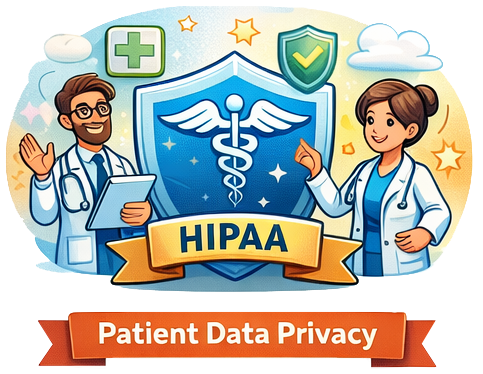
Health Insurance Portability and Accountability Act of 1996 (HIPAA)
HIPAA Regulations: Protecting Patient Information
The Health Insurance Portability and Accountability Act (HIPAA) was introduced to safeguard sensitive health records while allowing medical organizations to operate effectively. Its primary focus is the confidentiality, integrity, and availability of patient data. Healthcare providers, insurers, and related entities must ensure that personal health information (PHI) is accessed only by authorized personnel, transmitted securely, and stored under protective measures. HIPAA regulations encompass both privacy rules, which dictate how patient information can be used and disclosed, and security rules, which set standards for digital and physical safeguards.
Organizations must implement technical controls, such as encryption, secure user authentication, and audit logging, alongside administrative measures including staff training, access policies, and incident response procedures. Regular assessments are necessary to identify potential vulnerabilities and mitigate risks before breaches occur. HIPPA Compliance in Canada also mandates that patients are informed about their rights, including the ability to access their records, request corrections, and understand how their information is shared. Compliance is not simply a regulatory obligation; it reinforces trust between patients and the healthcare system, ensuring confidence in the ethical handling of sensitive data.

Billing Doctor vs. Rendering Doctor
In medical billing, it is crucial to distinguish between the billing doctor and the rendering doctor. The billing doctor refers to the professional or entity that submits claims to insurance providers or government programs for reimbursement of services delivered. This individual or group is responsible for ensuring that coding, documentation, and claim forms are accurate and compliant with payer requirements.
The rendering doctor, by contrast, is the healthcare professional who actually provides the clinical service to the patient, whether it be an examination, surgical procedure, or consultation. Accurate attribution of services is essential to avoid billing errors, fraud, or regulatory violations. Systems must clearly document the identity of the rendering doctor in each patient record and associate their services with proper coding standards, ensuring transparency and accountability. Understanding the distinction between these roles is fundamental to medical compliance, claim accuracy, and smooth operational workflow within practices and hospitals.
Patient Information and Data Handling
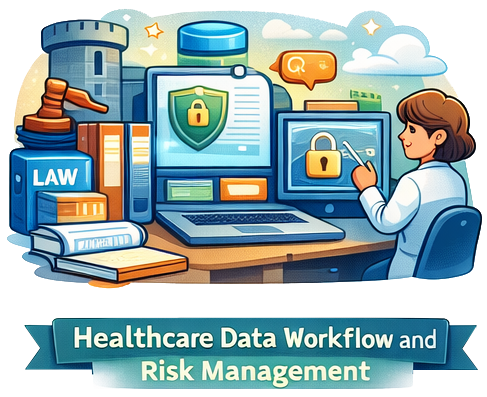
Patient records are the lifeblood of healthcare operations. They include demographics, medical history, medications, allergies, laboratory results, imaging studies, and notes from encounters with medical personnel. HIPPA Compliance in Canada requires that this information remains confidential while still being accessible to authorized providers who need it to make clinical decisions.
When entering or transmitting patient data, healthcare organizations must employ secure channels, maintain audit logs, and restrict access based on roles. Administrative safeguards, like staff background checks and workflow policies, prevent unauthorized access or accidental disclosure. Patients are entitled to a copy of their records upon request and must be informed of any data breaches affecting their personal information. This combination of technical and operational protections ensures patient safety, facilitates coordinated care, and supports the ethical use of healthcare data across multiple providers and facilities.

ICD and CPT Codes: Standardizing Documentation
Medical coding is an essential component of clinical documentation and billing. ICD (International Classification of Diseases) codes classify diagnoses, conditions, and diseases, providing a standardized language that allows healthcare systems, insurers, and researchers to understand the patient’s medical status. Accurate ICD coding is critical for epidemiological studies, quality reporting, and claim submission.
CPT (Current Procedural Terminology) codes, on the other hand, describe the specific procedures or services performed by healthcare providers. They are used to communicate interventions, laboratory tests, surgeries, or office visits to insurance payers for reimbursement purposes. The combination of ICD and CPT codes ensures that the rendered services are appropriately linked to the patient’s medical condition. Both types of codes must be assigned carefully, reflecting actual clinical practice while adhering to regulatory and payer requirements. Mistakes in coding can lead to denied claims, audits, or compliance penalties.

Integrating HIPAA, Billing, and Coding in Practice
Effective management of healthcare information requires an integrated approach. Patient records must clearly identify both billing and rendering doctors, link services to appropriate ICD and CPT codes, and maintain full confidentiality in compliance with HIPAA. Electronic Health Record (EHR) systems streamline this process by providing structured templates, automated coding suggestions, and role-based access controls.
Training is equally important. Staff members handling patient data or submitting claims must understand the nuances of privacy regulations, documentation standards, and accurate coding practices. A culture of compliance, combined with modern software tools, reduces errors, prevents breaches, and ensures that both patients and providers can rely on the integrity of the healthcare system. Hospitals and clinics that integrate these practices consistently demonstrate higher operational efficiency, fewer claim disputes, and greater patient satisfaction.

Practical Example: Workflow in a Clinic
Consider a patient visiting a primary care clinic. The rendering doctor examines the patient, documents symptoms, and prescribes treatment. The billing doctor or administrative staff extracts the relevant ICD code for the diagnosis and the CPT code for the procedure. These codes are entered into the billing system, ensuring that claims submitted to the insurance provider accurately reflect services delivered. Throughout this process, HIPAA safeguards are applied: patient identifiers are masked in analytics, access is limited to authorized personnel, and communication occurs over encrypted channels.
Any follow-up treatments, lab results, or referrals are logged under the patient’s record with the appropriate codes, maintaining a full, compliant history. Training ensures that staff understand coding updates, privacy procedures, and reporting requirements, minimizing errors and maintaining regulatory adherence.
Challenges and Best Practices
Healthcare organizations face multiple challenges in implementing these regulations effectively. Complex coding systems, evolving payer requirements, and diverse staff expertise can lead to inconsistencies. Additionally, integrating new technologies while maintaining HIPAA compliance requires careful planning.
Best practices include performing regular audits, updating coding guidelines, enforcing role-based access controls, and providing continuous staff education. Automation tools like EHRs with built-in HIPAA compliance modules, coding assistants, and workflow validation reduce manual errors. Establishing clear policies for breach reporting, record retention, and cross-department communication ensures that regulatory requirements are met without compromising operational efficiency or patient trust.
Conclusion
The interplay between HIPAA regulations, billing and rendering doctors, patient information, and coding systems forms the foundation of a secure and efficient healthcare ecosystem. Organizations that prioritize data privacy, accurate coding, and clear role distinction foster trust, minimize compliance risks, and streamline operations. Continuous training, technological support, and proactive policy management ensure that sensitive medical information is handled ethically and securely. By integrating HIPAA principles with billing workflows, patient care documentation, and standardized codes, healthcare providers can deliver high-quality services while maintaining operational transparency and regulatory adherence.